Best AI Voice Tools (ElevenLabs, Lovo, PlayHT): Detailed Comparison & Features
Discover the best marketing tools to automate your workflow, boost productivity, and grow your business faster. This guide breaks down top platforms, features, and strategies to help you scale with ease.
12/2/20254 min read
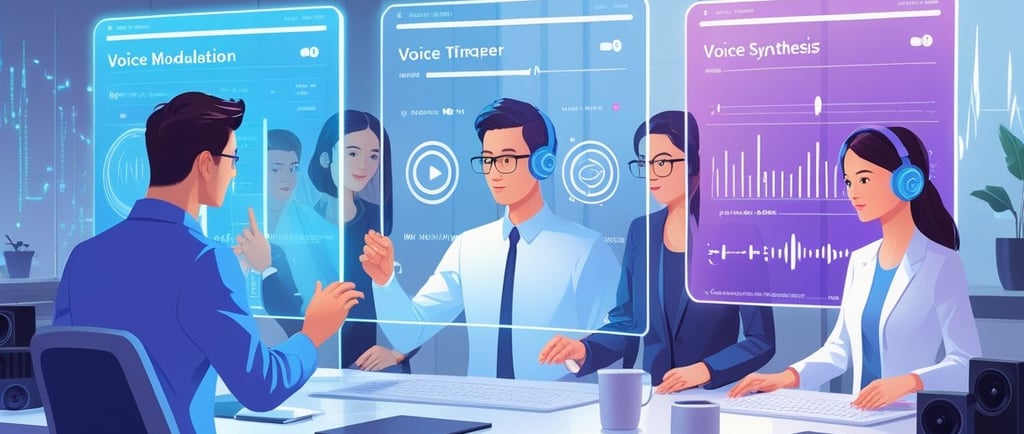

AI voice generation has evolved to the point where synthetic speech is nearly indistinguishable from human narration. Content creators, marketers, and businesses now have access to tools that produce studio-quality voiceovers in minutes rather than hours. The challenge lies in selecting the right platform for specific needs, as each tool offers different strengths in realism, language support, and specialized features.
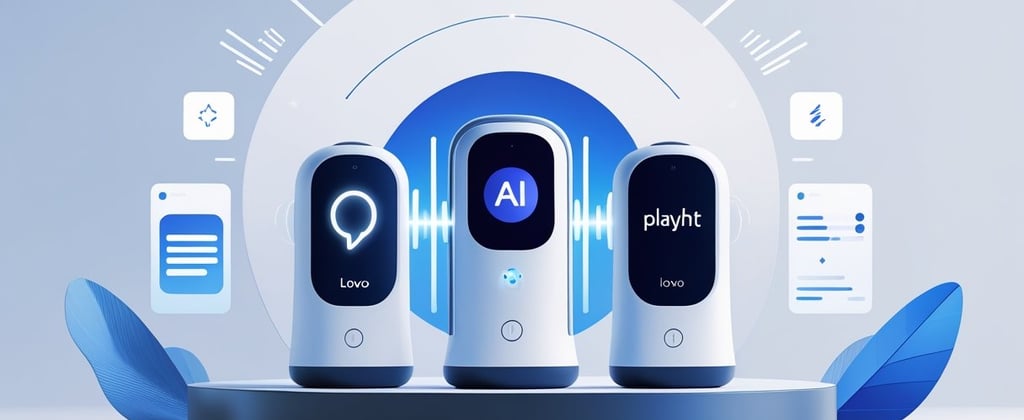
ElevenLabs, LOVO, and PlayHT represent three leading AI voice platforms in 2025, each excelling in distinct areas: ElevenLabs for ultra-realistic long-form narration, PlayHT for emotion-controlled multi-language content, and LOVO for quick video and ad production. These platforms have transformed how podcasts, audiobooks, YouTube videos, and commercial content are produced.
Understanding the differences between these tools requires examining voice quality, cloning capabilities, language options, and pricing structures. The right choice depends on whether a user prioritizes maximum realism, extensive language coverage, or streamlined video integration for their specific content production workflow.
Best AI Voice Tools Compared
ElevenLabs excels in natural-sounding speech synthesis with advanced voice cloning capabilities, while Lovo offers an accessible platform for quick voiceover creation and PlayHT delivers extensive multilingual support with flexible customization options.
ElevenLabs: Leading in Realism and Long-Form Narration
ElevenLabs has established itself as the premier choice for realistic voice generation, particularly for long-form content like audiobooks and podcasts. The platform's text-to-speech technology produces voices that closely mimic human speech patterns, including natural pauses and emotional inflections.
The voice cloning feature allows users to create custom voices from audio samples, making it valuable for consistent brand voice applications. ElevenLabs supports over 29 languages with high-quality audio output across all options.
Key strengths include:
Superior audio quality with minimal robotic artifacts
Advanced customization options for pitch, pace, and emphasis
Extensive voice library featuring diverse accents and speaking styles
Professional-grade output suitable for commercial projects
The platform offers a free tier with 10,000 characters per month, while paid plans start at $5/month for 30,000 characters. Enterprise users benefit from custom voice creation and priority processing.
Lovo: User-Friendly AI Voiceovers for Content Creators
Lovo prioritizes ease of use with an intuitive interface designed for content creators who need quick turnaround times. The platform provides over 500 AI voices across 100 languages, making it accessible for creators at various skill levels.
The voice acting capabilities include emotional presets that add expressiveness to generated speech without requiring technical expertise. Users can adjust speaking styles through simple dropdown menus rather than complex parameter adjustments.
Lovo's template system streamlines workflow for common use cases like video narration, social media content, and e-learning materials. The speech synthesis engine processes text rapidly, typically generating audio within seconds.
Pricing starts at $19/month with 500,000 characters included. The free plan offers 14 days of access with basic voice options. The platform integrates with popular video editing software for streamlined content production.
PlayHT: Versatile Voice Generation for Multilingual Content
PlayHT distinguishes itself through comprehensive language coverage with support for over 140 languages and accents. The platform combines robust voice variety with flexible customization controls that appeal to both beginners and advanced users.
The best ai voice generator designation often includes PlayHT due to its balance of quality and accessibility. Users can fine-tune pronunciation, add pauses, and adjust voice characteristics through an accessible control panel.
Notable features:
Voice cloning with as little as 30 seconds of sample audio
Real-time text-to-speech preview during editing
API access for developers integrating voice generation into applications
Commercial usage rights included in all paid tiers
PlayHT offers three pricing tiers starting at $31.20/month for 48,000 words. The free plan includes 12,500 words with full access to standard voices. The platform maintains consistent audio quality across different languages, making it reliable for international content distribution.
Choosing the Right AI Voice Tool: Applications, Features, and User Needs
Different use cases demand specific capabilities from AI voice tools. The right choice depends on whether the priority is professional-grade narration, rapid content production, or seamless system integration.
Voiceovers and Narration for Audiobooks, Podcasts, and Videos
Professional narration requires tools that deliver natural intonation and emotional range. ElevenLabs excels in audiobook production with its credit-based system starting at $5/month for 30k credits, offering voices that match the nuance needed for long-form storytelling. The platform supports real-time adjustments to pacing and tone.
PlayHT provides robust options for podcasting with customizable voice profiles and multi-language support. Content creators working on YouTube videos or educational content benefit from tools like Murf, which offers pitch and speed controls essential for matching voiceovers to visual content.
Audio production workflows vary significantly between platforms. Genny and similar tools cater to game developers who need character voices with consistent quality across multiple recording sessions. Speechify focuses on accessibility and consumption rather than production, making it less suitable for professional voiceover work.
Voice actors increasingly use tools like Respeecher for voice preservation and modification, though this represents a specialized subset of synthetic voice technology.
AI Voice for Content Creators: Flexibility and UI
The user interface directly impacts production speed. LOVO offers a straightforward dashboard that allows content creators to generate voiceovers without technical training. The platform includes pre-built templates for common content types.
ElevenLabs provides more granular control through its interface, enabling users to clone voices and adjust prosody. This flexibility comes with a steeper learning curve but delivers superior results for creators who need specific vocal characteristics.
PlayHT balances accessibility with advanced features through its tiered interface design. Basic users access simplified controls while experienced creators can dive into pronunciation libraries and custom voice training.
File format options, preview capabilities, and revision workflows matter for daily use. Tools that support batch processing save significant time for creators producing multiple pieces of content simultaneously.
Integration, API Access, and Workflow Scalability
API access determines how well AI voice tools fit into existing production pipelines. ElevenLabs offers comprehensive API documentation with WebSocket support for low-latency applications, making it suitable for real-time conversational agents and interactive media.
PlayHT provides REST API integration that connects with video editing software and content management systems. The platform supports webhook triggers for automated workflows in high-volume production environments.
LOVO includes integration options for common platforms but with more limited customization compared to developer-focused solutions. Teams working with Zoom or Skype benefit from tools that offer direct plugin support.
Enterprise scalability requires consideration of:
Credit systems vs. subscription models for cost predictability
Concurrent processing limits that affect team collaboration
Custom voice training availability for brand consistency
Storage and retrieval of generated audio assets
Organizations processing thousands of audio files monthly need platforms with dedicated infrastructure and service level agreements.
Contact
Questions? Reach out anytime.
hello@insideaihub.com
© 2025. All rights reserved.